
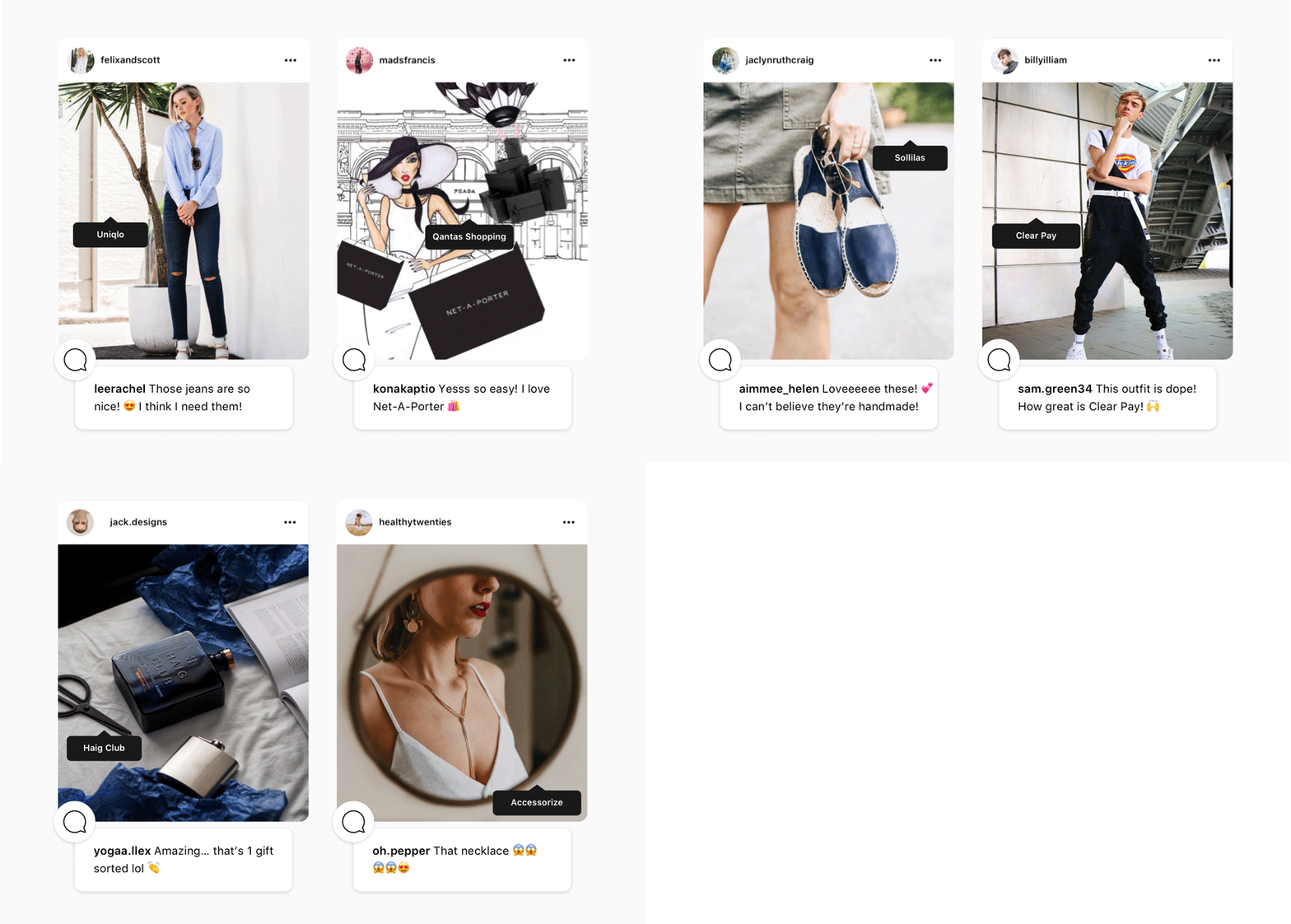
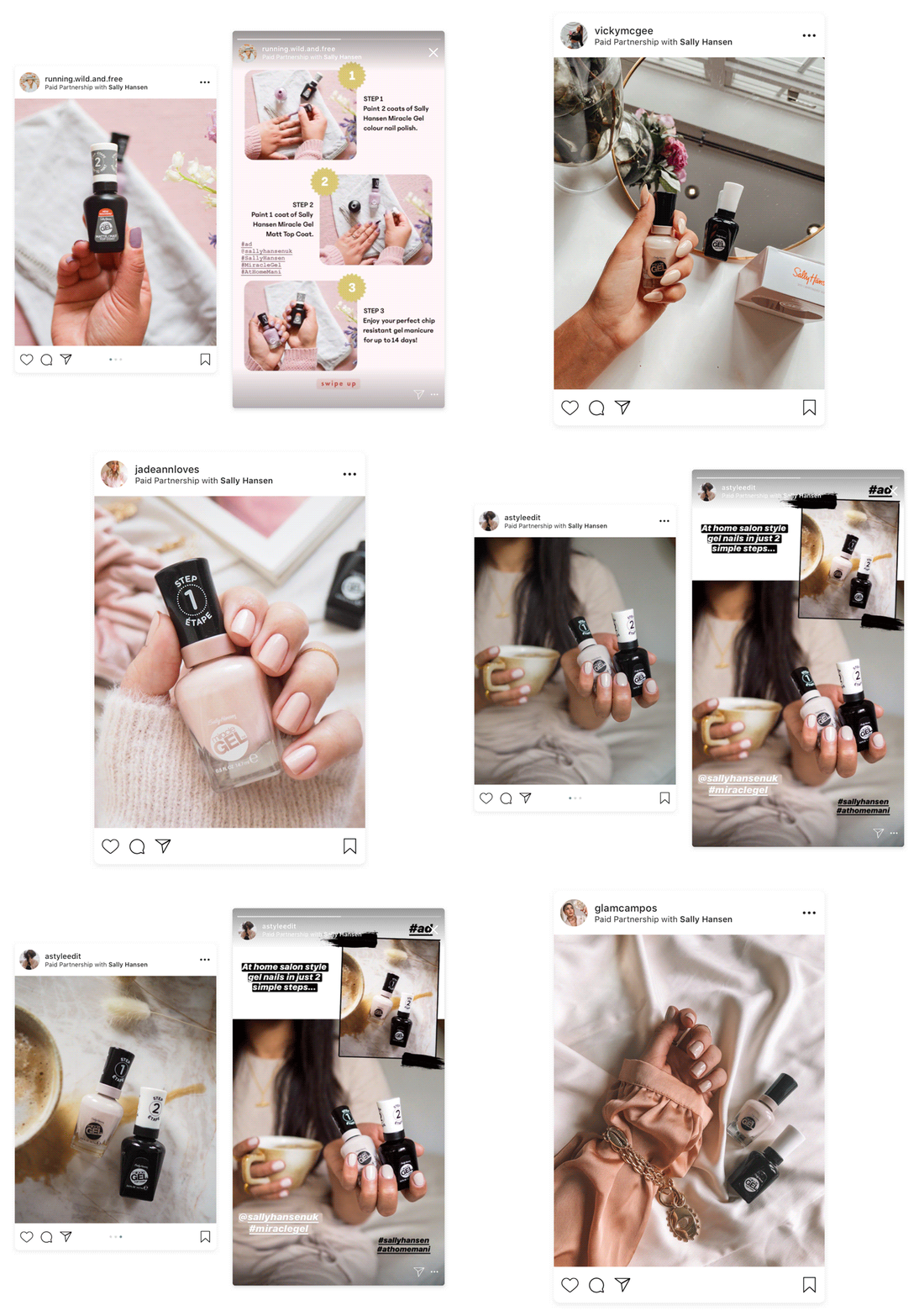
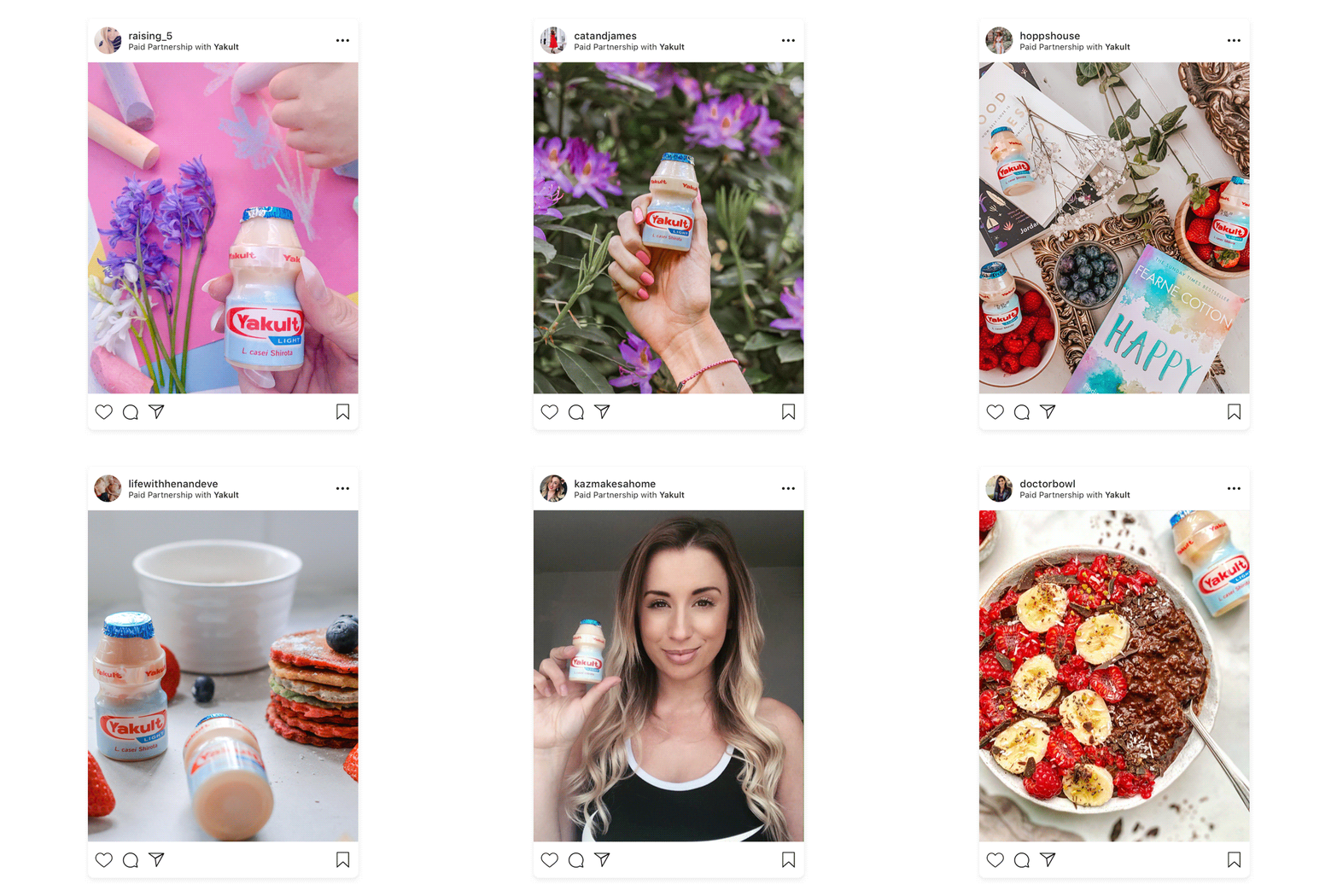
More than one time we have seen influencer on Instagram promoting a product, whether it is a fashion item, a beauty product or a vitamin supplement. That is Influencer Marketing, a part of social media marketing: Using a figure with a platform and a certain amount of audience and followers whom they have a certain influence over to promote a product. This blog will point out the advantage of influencer marketing as well as some risks associating with it so you can decide for yourself if this is a suitable marketing tactic for your business.
The good
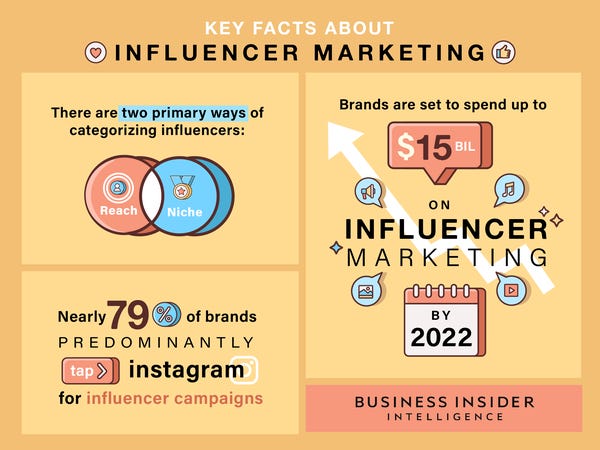
There must be a good reason why influencer marketing is thriving in recent years. According to Business Insider Intelligence, the market is predicted to be double in size to $15 million in 2022. In 2020, 65% of marketing practitioners are reported to be increasing their spending on influencer marketing and almost 90% of them consider it to perform comparably or even better than other marketing channels.
So, what are some pros of using influencer marketing?
- Relatability: A content creator knows their audience. That is how they build their relationship with their followers, by relating to the audience and speak their language. An influencer is a bridge that helps brands convey their message to the audience in their language.
- Expertise: Influencers are deemed to have more credibility and are trusted for their expertise by their audience. Influencers marketing is also a great tool for the precise targeting of a niche market.


The bad
However there are two sides to every coin, so what is the downside of influencer marketing?
- Scandal: It is a fact that a brand can only select an influencer after carefully evaluate them to see if they are congruent but a brand can not always monitor what an influencer does going forward. Depends on the level of association between the influencer and the brand, an influencer’s scandal could bring the brand down with it.
One of the recent case studies is James Charles scandal and the beauty brand Morphe. The first time James Charles was accused to be a ‘predator’ and a ‘danger to society’, Morphe had to immediately cut all ties with him. James Charles, at the time, was one of the biggest beauty Youtuber with over 16 million subscribers. He had one of the biggest collaboration with Morphe and sold out within 5 minutes giving him a very heavy association with the brand. James started to rapidly lose subscribers and people started to destroy the palette after the accusations.
- High risk, high return?: While most brands reported seeing a positive impact using influencer marketing, but how exactly positive is a tricky question. It is hard enough to track and measure the effectiveness of marketing as is, so if the company has no clear strategy and KPI set, throwing more money into influencer marketing would be meaningless if you do not know for sure how much you get in return. While the effectiveness is still up for debate, 80% of the marketer is convinced that it is effective. You can check some of the key KPIs here at MediaKix report on Influencer Marketing Effectiveness.
Whether you believe in influencer marketing or not, it is undeniable that this is the trend that worked for a lot of brands and companies. Along with the advantages such as relatability, credibility, trust, expertise and precise targeting, companies should also consider the risks with this tactic. It is extremely important to do thorough research to find the best-matched influencers as well as having a strong strategy with clear KPIs to track the ROI of the campaign. There are many cases of successful campaigns using influencer marketing as key tactic so it is recommended, provided that it suits the company’s overall marketing strategy and objectives.
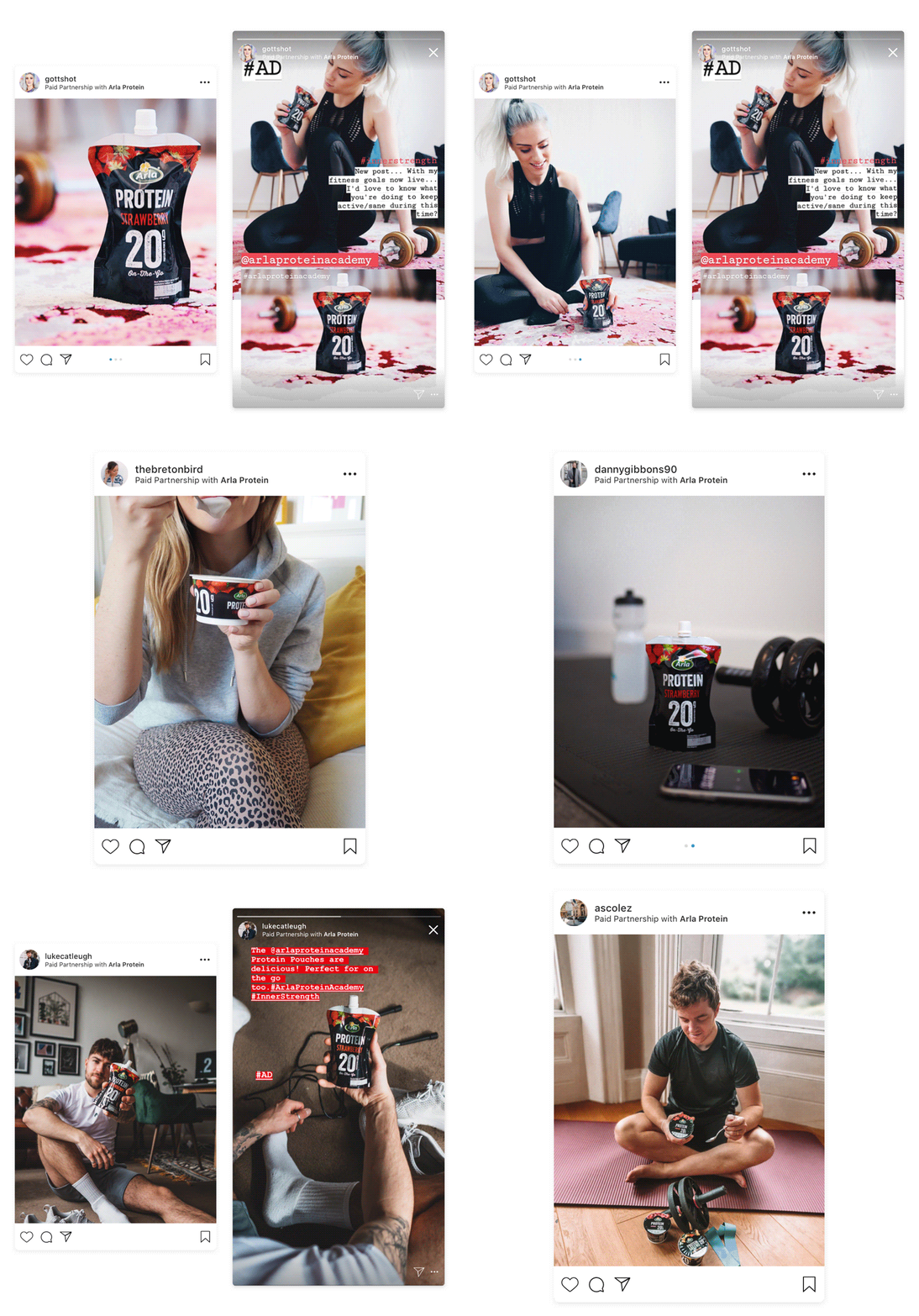


So what is your take on influencer marketing? Do you think it will suit your business and what are some instances that you think it won’t?
 Tuyen's Digital Marketing Blog
Interesting negative analysis of the pitfalls of using social platforms for marketing. Especially the point of identifying the correct social influencers to invest in
LikeLiked by 1 person
Great work here! You mention what not many blog posts do: the setbacks of social media – as it is not an instant fix to marketing problems.
Daniel
(Digitalmarketingblogsitecom.wordpress.com/blog/)
LikeLiked by 1 person
It is very interesting to observe how much people are influenced by those they consider an expert. I for one would be more likely to buy a product if somebody I looked up to recommended it. However it is interesting to see in your blog how much risk this actually poses to a company!
– Amy Cooper ( https://amydigitalmarketing.blogspot.com/ )
LikeLiked by 1 person
Thanks for your comment Amy. I am too would likely to buy a product if somebody I’ve followed on Social Media recommended it.
LikeLike
The blog provides diverse perspectives on the current influencer marketing landscape. Looking forward to many more blogs from you!
LikeLiked by 1 person
First, love your format and images/vids – makes reading super fun! Second, I hadn’t considered the ‘risk of scandal’ side of Influencer Marketing. Absolutely agree research is necessary.
LikeLiked by 1 person
Loved the contrast between the positives and negatives of social media and in particular influencer marketing. Often, only the benefits are acknowledged. My take on influencer marketing is that it can be affective if the business uses is correctly. Too many sponsored posts and consumers may start to see the brand as untrustworthy, I think its important to find a balance!
– Zoe (https://zoepuskaric.wixsite.com/mktgblog/)
LikeLiked by 1 person
Thanks for your comment Zoe. I totally agree with you! Influencer marketing would be meaningless if the business does not uses it correctly and it could result in a negative impact.
LikeLike
Completely agree with the aspect of scandals negatively impacting a company image, and how as a result companies should do a better job at vetting potential influencers before marketing them as representatives of the brand.
– Jade (https://jadesdigitalblog.wordpress.com/)
LikeLiked by 1 person
Great blog post! I really enjoyed the fact that you not only mentioned the positives of social media marketing but the negatives which is always something important to take into account. I feel that influencer marketing is a very smart and effective form of advertising, instead having to take the time and effort to find customers contacting someone that you feel has an audience inline with your target audience will essentially give you access to potential customers. Love the presentation with all the pictures also!
-Hope you don’t mind having a read through mine as well :p Betanya (https://betanyadigitalmarketing.wordpress.com/2020/07/26/example-post-3/)
LikeLiked by 1 person
Hi Tuyen,
Good work! I like the way you address the good vs bad sides of Social Media Marketing via Influencer (KOI). To be honest, there are no good or bad in reality. It all-in or depending on your boss or team leaders :)). In other words, market budget is crucial for today marketing because the cost for KOI is not a one time cost to making a successful campaign. Therefore, only smart marketer can balance between the cost and the effectiveness of marketing campaign.
I agreed that Youtubers, Streamers and Reviewers could work so well for Generation X,Y and Z because they was born in Internet age and having a better knowledge about social networking as Fb or Instagram.
As a marketing agent in Vietnam for 5y, I’m so glad you are understanding the important of social media marketing because our customers are changing their behavior of collecting information. We can see our grandparents or parents are reading online news and watching YouTube now, that will be the future of marketing tomorrow.
Thanks for your blog
LikeLike
Thank you for your comment, Nhan. I totally agree with your points there.
LikeLike
An excellent blog post here, Tuyen. Your blog feels more credible having featured both a positive and negative perspective of social media.
– Laura (https://s3786712.wordpress.com)
LikeLike
Great job Tuyen. You have carefully discussed both the positives and negatives of influencer marketing, providing the readers with information that will help them decide whether or not they should utilize this marketing technique for their businesses.
LikeLiked by 1 person