
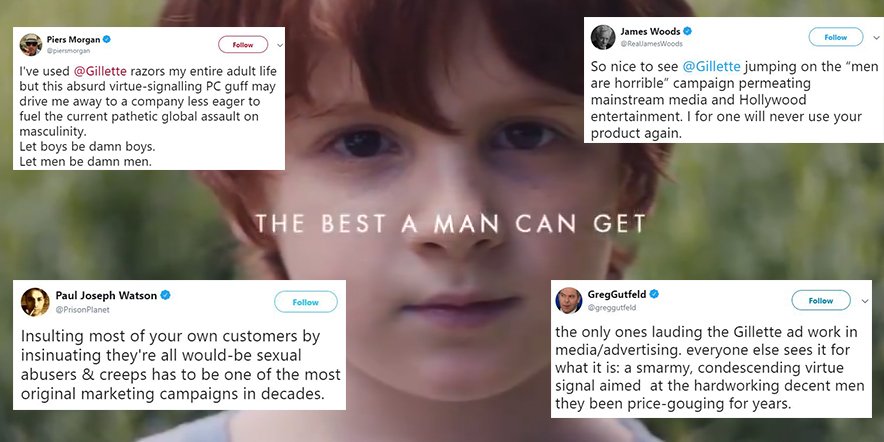
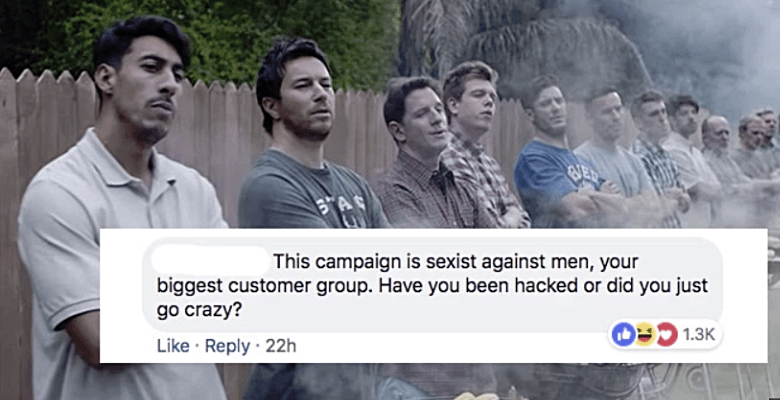
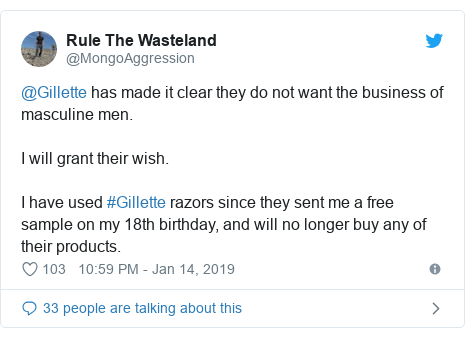
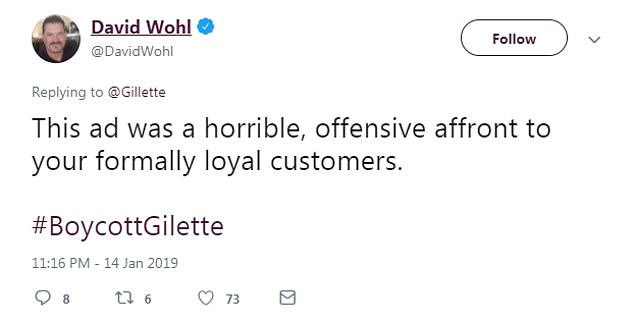
After being consistent with their brand message ‘The best man can get’, in 2019, Gillette came out with a highly controversial ad named ‘The best man can be’. Within the three days of release, the video had over 12 million views and an overwhelming number of dislikes. While some praised the bold move Gillette had taken, the major backlash perceived the video to be distasteful and stereotyping.
Pankaj Bhalla – Gilette’s North America Brand Director stated that the campaign was reported to be carefully planned after intensive market research which came back with an insight that men ‘want to do better, but don’t know how’ – and the campaign shows that they can do so by standing up to bad behaviours. However, the way they put it across is what rubbed people the wrong way.
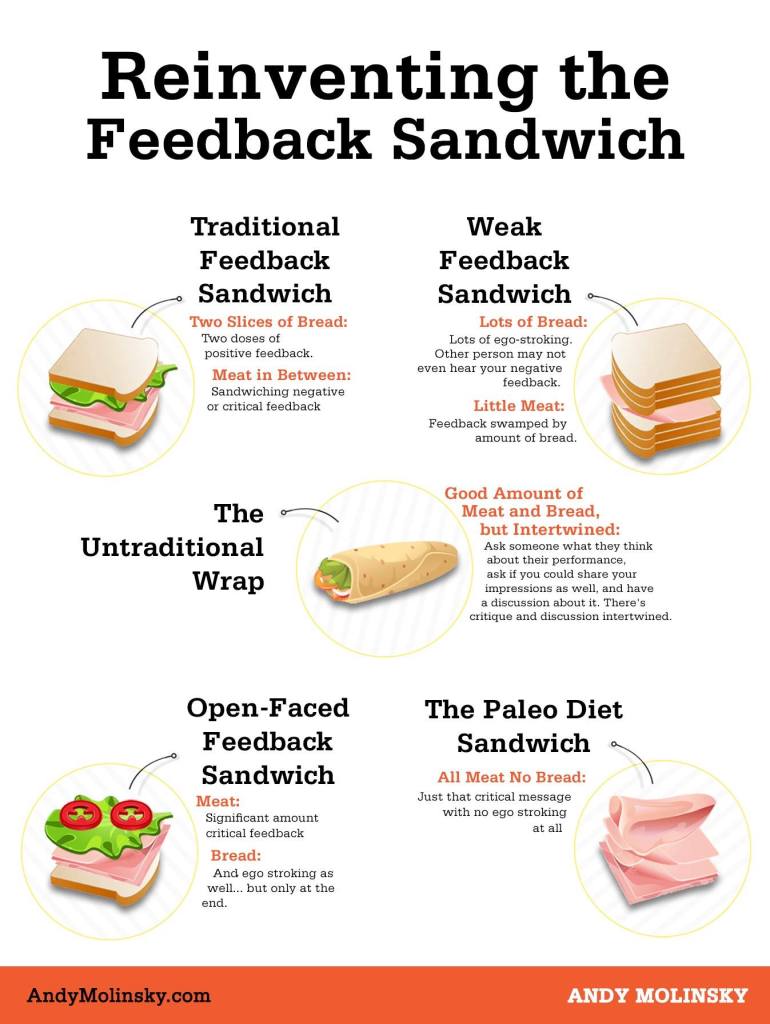
The reverse sandwich method
The sandwich method is when criticism is sandwiched between two positive reinforcement. However, Gillette started the ad with a negative, give some good examples, and finished off with negative. This gave the audience the implication that the majority is bad and there was only a good minority, which was overgeneralised, stereotyping and downright condescending.
Mixed message
Professor Robert Caldini, whose theory in customer behavior influence very well-known, suggests that people tend to try to fit in by following the norm to gain approval and avoid disapproval. He performed an experiment called the ‘Petrified Woods’ by putting up a sign saying, “Your heritage is being vandalised every day by theft losses of petrified wood of fourteen tons a year, mostly a small piece at a time.” The amount of wood stolen increased significantly. Caldini argued that was due to the mixed message the sign had given. While saying stealing is bad, it also implied that everybody was doing it, therefore it would be okay if you did it too.
Gilette ad portrayed the same mixed message. While depicting sexual harassing, catcalling, bullying was bad, it also implied that the majority of men were doing it, which was counter-productive to the message they tried to put forward. A research was conducted by P&G (Gillette’s parent company) reported that respectful, honest, have integrity and hard-working are four factors making a great man. Instead of posing the message in a way that appears preachy and scolding, should Gillette has delivered it differently?
Is it intentional?
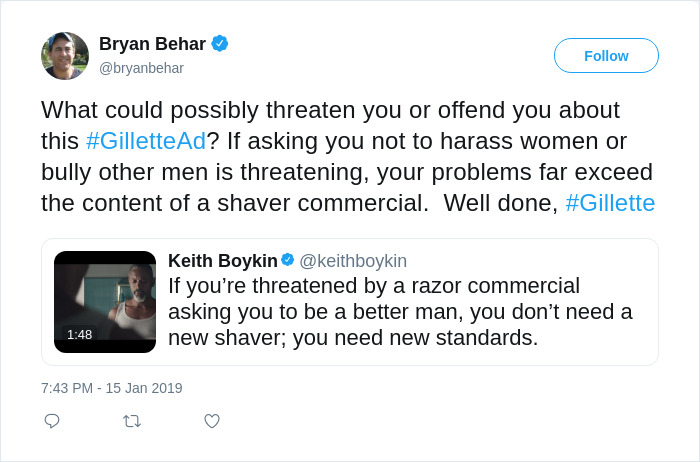
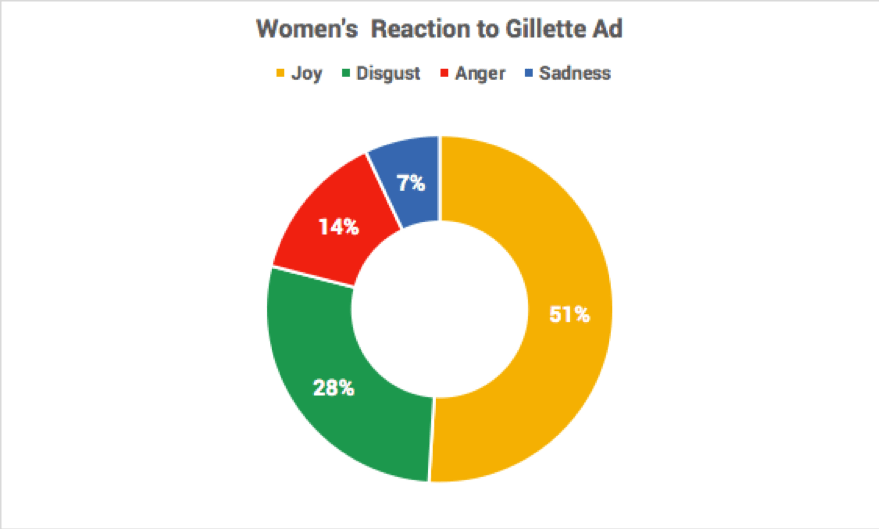
This ad is a careful plan from both P&G and Gillette. While it might receive heavy criticism from the audience, mostly males, the data has shown that it was perceived positively by women. With most of the shaving conversation-generators and home shoppers are women, this might be a calculated move.
The question.
Although this is a risky gamble, alienating your core audience is never a good move. There are still so many ways to deliver a powerful and positive message without making people feel like #Metoo propaganda is forcing down their throat. What is your take on this campaign? Do you think Gillette has succeeded?
 Tuyen's Digital Marketing Blog
Great post! It’s really important for businesses to know their target audience, otherwise they could send off the wrong messages to their customers!
LikeLiked by 1 person
I agree with you Po. It’s really important to address the issue in a relevant and distinctive way.
Thanks for your comment, mate!
Cheers, Tuyen.
LikeLiked by 1 person
Great post! It is very interesting how we as human’s are so influenced by the opinions of others that their outrage can spark it in us. And make us follow like sheep
LikeLiked by 1 person
Thank you for your comment Ducan! What do you think is the real impact and effectiveness of Gillette’s ‘#metoo’ ad?
LikeLike
Interesting take Tuyen! You have highlighted the dark side of ‘going viral’ in alienating core audience and subsequently raised a solution. Well done and keep up the good work
LikeLiked by 1 person
Thank you for your comment Daniel!
Cheers, Tuyen.
LikeLike
Very interesting post! I remember watching the ad and being surprised at the large amounts of outrage. I do think the core messages at the heart of the video are important and the campaign did deliver. Choosing to highlight such topics can lead to divisive views which definitely occurred in this case
– Zoe (https://zoepuskaric.wixsite.com/mktgblog)
LikeLiked by 1 person
Thank you for your comment Zoe! I agree with you that Gillette did delivered their core message in their ad campaign to address issues like bullying, sexual harassment. However If Gillette really wanted to make a positive difference in this space. It would do better by working within its Hero-Ruler character and actively addressing the issue.
Cheers, Tuyen.
LikeLike
Really interesting fact of it being mostly being received positively by women and not men, however I do think it’s always a better move not to alienate a significant audience of your brand just for the effects of one campaign.
– Jade (https://jadesdigitalblog.wordpress.com/2020/08/09/growth-in-a-gamification-society/)
LikeLiked by 1 person
Really interesting and thought-provoking topic to focus on for viral campaigns, great blog! It’s clear that Gillette likely had better intentions to what came across to their target market, however it’s so important to spread messages in a correct way that will resonate positively with your main consumers. Unfortunately this advertisement didn’t achieve that — but definitely interesting to see it had a more positive reaction with women. Maybe they should start making women’s razors!
LikeLiked by 1 person
I think the message Gilette was trying to communicate is good, however it definitely could’ve been executed in a way that wouldn’t offend their core audience. Super insightful blog, well done!
– Cut Salsabila (s3668174)
Check out my take on Social currency here, and let me know what you think!
LikeLiked by 1 person
Great post once again Tuyen!
You chose a really interesting campaign actually, although the did achieve what they set out to do they did as you outlined offend entire group of people (mostly men.). Although they succeeded in part by causing offence the way they did they may have potentially put off potential customers for future products and campaigns, so that’s always something to keep in mind and be careful of!
Really interesting fact of it being mostly being received positively by women and not men, however I do think it’s always a better move not to alienate a significant audience of your brand just for the effects of one campaign.
LikeLiked by 1 person
Really interesting topic!! The gilette campaign certainly was very controversial and I myself have mixed thoughts about the campaign, the message it was trying to portray, and they way the add went about portraying it. Especially with such a contentious topic, I remember when it was released it was at the height of discussions in online and social media platforms about toxic masculinity, so for them to say it had nothing to do with that, seemed plain dishonest. It’s very important companies consider the message they’re sending and how their audience will react BEFORE not AFTER the campaign, or you risk losing many customers as you’ve shown!
Great post though, check out mine here 🙂
LikeLiked by 1 person
Completely agree with you. Everything needs to be integrated properly in order for it to be effective. Additionally, it needs to also be executed well. Thanks for the comment!
LikeLike