
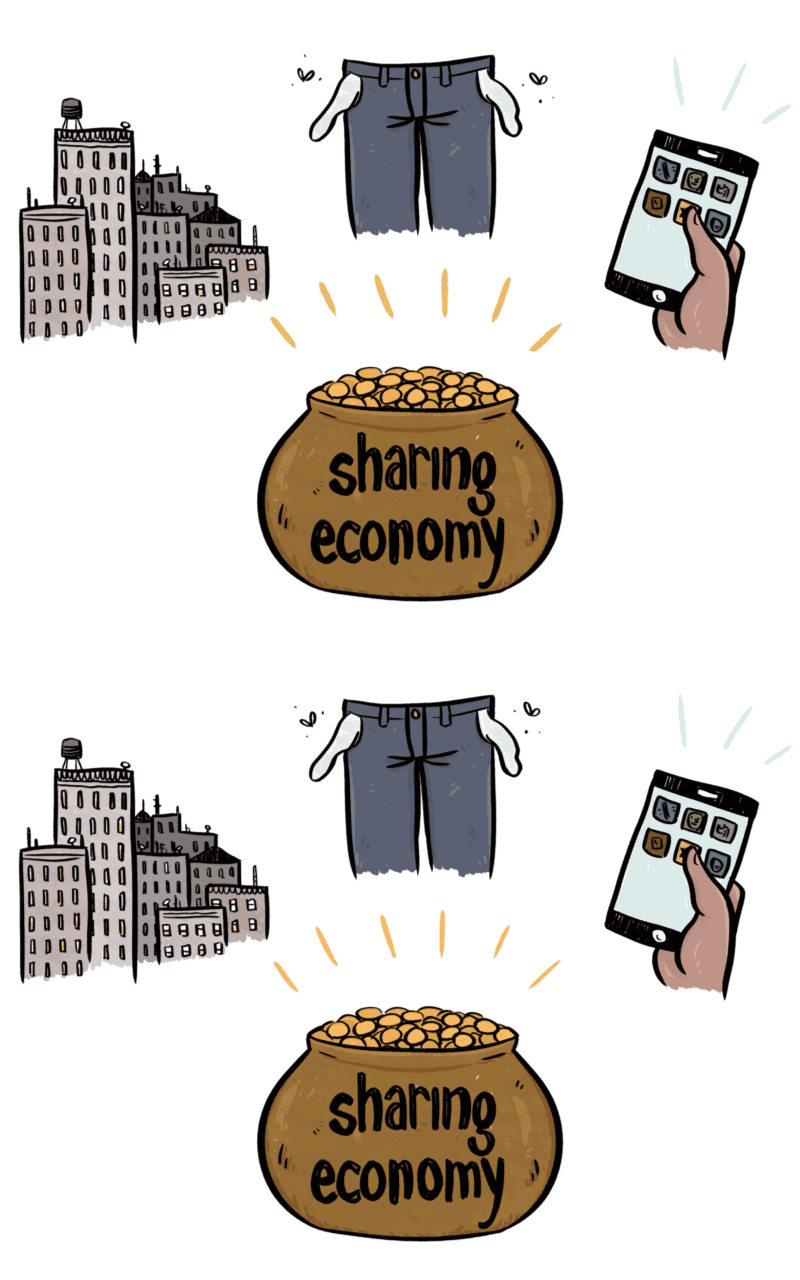
In the digital disruptive time, it is very important for a business to quickly adapt to the change of the world. Many business have digitally transformed, using digital as a tool to create new value to the customers. The sharing economy has seen notable growth in the last decade with a boost of technology. Many companies found a gap between supply and demand as an opportunity to create a mutual platform to bring both sides together, such as Uber, Airbnb, Postmates.
Sharing is caring
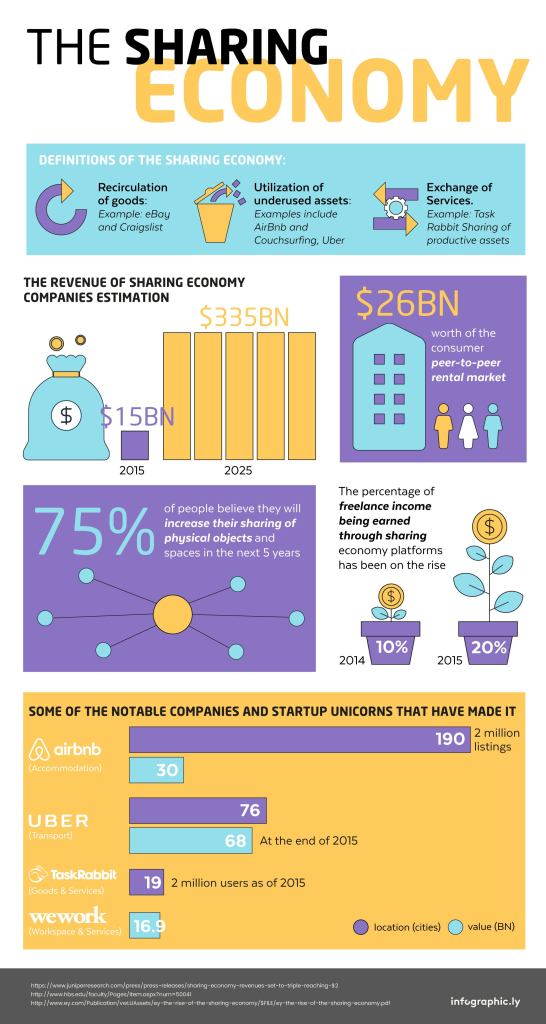
So, why is sharing economy good? It is found that 95% of the time cars are left idle and that is a lot of opportunity cost. By offering a way for people to utilise their idle assets like living spaces, vehicles and an economic option for consumers, it is a win-win situation for both parties on both ends.
Moreover, it is believed that sharing economy also helps with sustainability. By utilising otherwise unused goods will lower the demand for a new purchase. New opportunities for self-employment also come with this new model, giving people a choice to side hustle or to generate additional income from the comfort of their own home. For instance, services like Airbnb has given seniors from 60 year-old an option to make money after retirement as they account for 56% of the hosts in 2020.
Or is it?
While China and Korea welcome sharing economy with open arms, some have a lot more issues with it. The first being that people participate in this economy, especially as service/product providers, are not legally protected, which leads to a discrepancy in the power dynamic, create inequality in labour since people have their monthly income depending on a platform. Companies like Uber and Lyft are under heavy criticism for exploiting their employees and driving them to the breaking point. It also took the job away from many traditional taxi drivers and disrupt housing and rent price. While advertising that it could help you earn extra money, many found themselves struggling to meet their ends. Many of these sharing economy companies also face a lot of criticism regarding law and regulation, either misconduct or taking advantage of loopholes.
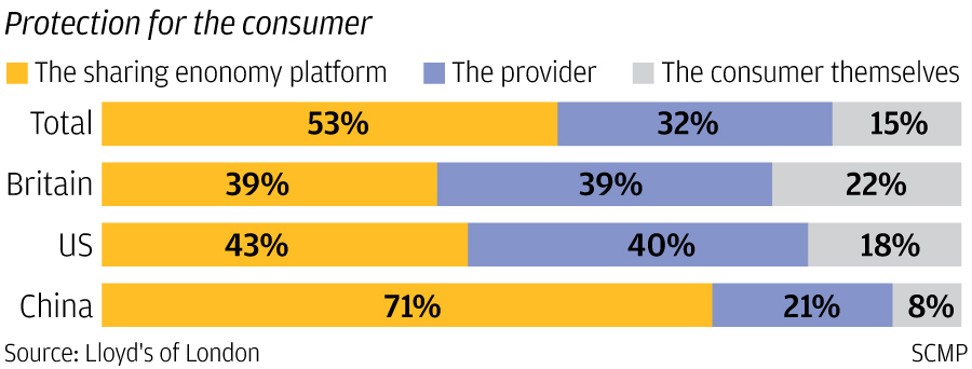
As the economy evolves, better law and regulations need to be made to better protect the participants as well as the incumbent business. While bringing some good, it also has a lot to improve. We have to find the balance that everyone can compromise with. In the end, whether it is good or bad is up to each individual’s evaluation, so what are your opinions? And where do we move from here?
 Tuyen's Digital Marketing Blog
Great post Tuyen! Love the use of visuals.
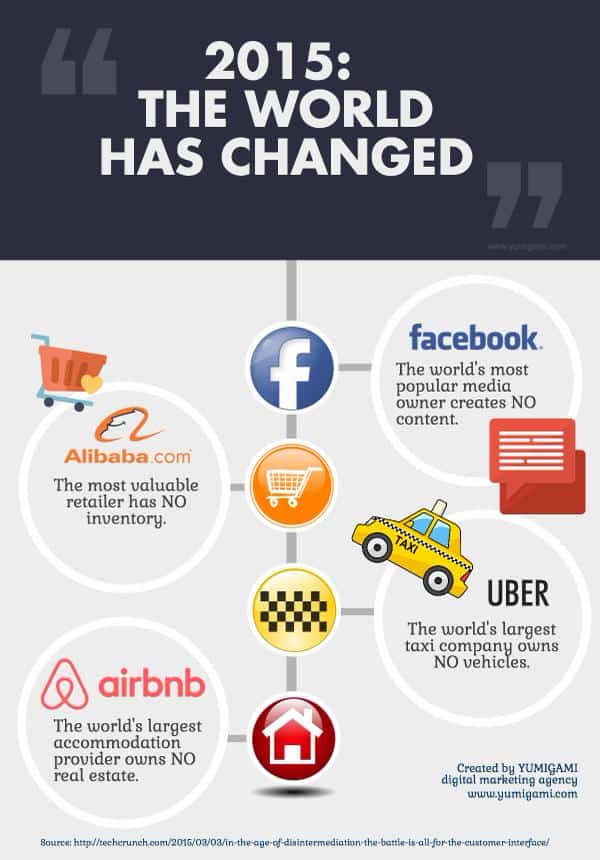
Great to point out that those industry leaders in the sharing economy do not own any of the product that their sites offer, I had never thought of them like this!
– Laura (https://s3786712.wordpress.com/2020/07/20/web-2-0-social-media-marketing/)
LikeLike
Great post Tuyen. Love the visuals!
It was great to point out the fact that those industry leaders in the sharing economy (Facebook, AirBnB, Uber etc) do not own or offer any of the products or services that their business hosts. I had never thought about it this way!
– Laura (https://s3786712.wordpress.com/2020/07/20/web-2-0-social-media-marketing/)
LikeLiked by 1 person
Thank you for your comment, Laura!
LikeLike
Insightful analysis, Tuyen. Interesting take on the sharing economy too.
LikeLiked by 1 person
Thank you, Daniel.
LikeLike
Completely agree with your sentiments about laws needing to be enacted regarding companies participating in the sharing economy. It’s the lack of regulation towards these companies that allows the exploitation of their employees in the first place…
– Jade (https://jadesdigitalblog.wordpress.com/2020/08/02/are-you-using-social-media-or-is-it-using-you/)
LikeLike
Great blog, Tuyen! Those infographics had demonstrated the idea well and make the blog look more lively. I’ve learnt so much from this.
– Cris
LikeLiked by 1 person
Nice perspectives on the sharing economy concept. The inforgraphics really help demonstrating your point of view. Looking forward to your future blogs.
LikeLike
Hey! Great post once again, I really enjoy your use of animations and images. I 100% agree with your highlighting of the importance of a sharing economy, and the fact that when not regulated exploitation can occur. Do you think there are any ways to remedy this?
LikeLiked by 1 person
also i would appreciate if you let me know what you think of my blog post 😀 https://betanyadigitalmarketing.wordpress.com/2020/08/03/social-media-consumers-and-how-to-thrive-in-the-digital-world/
LikeLike
Great post Tuyen! Really loved the use of graphics and thoroughly enjoyed learning more about sharing economies!
LikeLiked by 1 person
Hi Tuyen, fantastic post. The visuals were great in helping me picture the stats. I too see flaws in the ways in which we manage our economy, that said, until a better alternative arrives i believe that the way Australia has and will continue to manage theirs is the best we’ve got.
Cheers, Blair
LikeLiked by 1 person
Thank you for your comment Blair.
LikeLike
Awesome post Tuyen! I feel like an expert on the sharing economy after reading this so thank you! I wouldn’t say it’s either good nor bad, but somewhere in between. I believe platforms like Airbnb and Uber have a lot of potential for good, however, like all big industries, it is important that our government doesn’t just let them do whatever they like. I think from here, we should continue to use them but ensure we do so in an ethical manner and encourage our governments to pay attention to how they are run.
– Anna (https://annasdigitalmarketingblog.wordpress.com/)
LikeLiked by 1 person