
By 2020, the world’s internet penetration is 62%, meaning over 4.8 billion of the global population have access to the internet. The data generated from each user through their devices are great information for business to leverage, especially through the help with the Internet of Things and retail is one of the industries that has utilised this to their advantage, namely Alibaba.
1.What is the Internet of Things
The Internet of Things (hereafter IoT) is an information infrastructure established by interconnected communication of all devices through the internet. Alibaba is one of the companies who recognise the great importance of this new technology advantage and apply it effectively in their business to create new values to the customers that are beyond the traditional e-commerce and retail. The two most notable ones being moving towards omni-channel and establishing a sticky ecosystem through the help of Alibaba’s IoT Cloud.
2. The ‘New Retail’
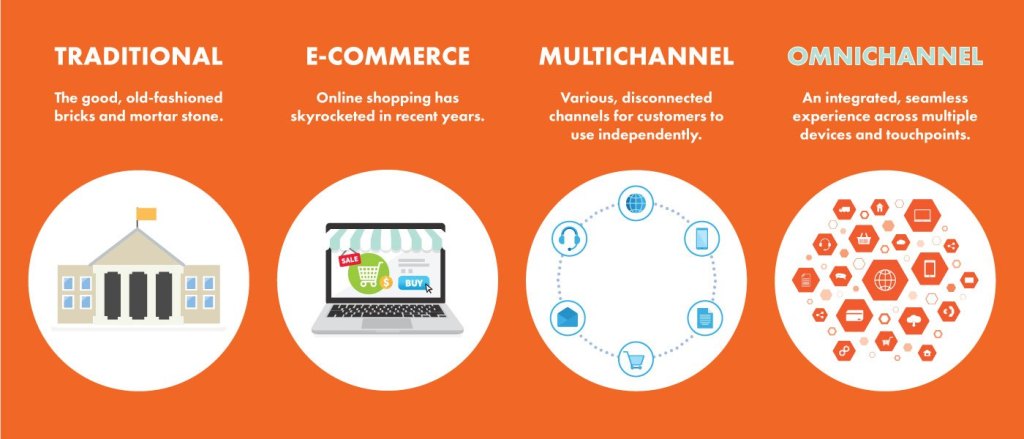
Retail customers have evolved through a long way, from traditional to e-commerce; and now, Alibaba is aiming to leverage it to the new Online-to-Offline (O2O) model by removing all friction at all customers touch-points and create a seamless experience across platforms and the IoT cloud system is applied throughout the process.
At the information search stage, the data from users’ searches are collected through their IoT computing cloud and used to deliver personalised ads with the help of AI to design customised banners. They can also detect the buying behaviour to get insights, quickly adapt to changes in the purchasing pattern across all platforms. Not only that, but the cloud system also provide solutions to business during the outbreak crisis by quickly set up and digitally transform into a digital business that sells through live streaming, careful stock planning and personalised customer service. Alicloud enables a faster and more efficient single value chain that optimise marketing, productivity, R&D, storage management and logistic, payment and even operation cost.
3. Conclusion and conversation
What Alibaba has to offer is a very sticky ecosystem where they are present at every step of the customer journey, helping the customers having a smooth O2O experience all at the comfort of their mobile devices while also provide businesses with valuable and powerful tools to optimise their business. Is there any sector that can digitally transform using IoT, hospitality, government for instance? And what are the network effects of IoT on these businesses?
 Tuyen's Digital Marketing Blog
This is so interesting Vy! Alibaba seems to be a bit of an underrated superstar in eCommerce (at least here in the west). Their systems seem so smart and advanced!
From my reading I saw that ZD Net (https://www.zdnet.com/article/what-is-the-internet-of-things-everything-you-need-to-know-about-the-iot-right-now/) reference stats from the IDC around transportation and manufacturing as being among industries predicted to have large IoT spends. The agree with this, although I am not particularly knowledgable on either industry.
Regarding their networks, I think they will need expanded networks that are much more complex to account for the new data, its processing and its use.
– Anna (https://annasdigitalmarketingblog.wordpress.com/)
LikeLiked by 1 person
ZD Net was really interesting to read. Thank you Anna. I agree with you that The Internet of Things (IoT) ecosystem has been growing throughout the past few years, and it will keep growing. The positive impact that brought IoT solutions to the industry has been capturing the attention of industrial companies and manufacturers.
Cheers!
LikeLike
Interesting post Tuyen! Alibaba has certainly got the Internet of Things down-pat! They are a great example of a company that has understood the technology and where it s heading, as well as utilising this tech to enhance the consumers shopping experience!
I think it would be great to see this omnichannel approach in hospitals, as it would make it easier for day patients or visitors to check-in, and for hospitals to manage data with ease. Being a hospital however does pose greater privacy concerns, as sensitive information is more prevalent in this industry. I do believe it can be done in the future though, and I’m excited to have this omnichannel approach presented by Alibaba move into the Australian retail industry in the future!
LikeLiked by 1 person
I totally agree with you. I think it is important that while there are many benefits to using IoT devices, it is just as important to understand the risks as well.
LikeLiked by 1 person
Well done Tuyen. My jaw dropped open when I saw that ‘Car Vending Machine’. It was great to see how Alibaba has implemented the IoT. They are certainly ahead of many other organisations. I would like to see some retail stores implement those IoT VR aspects, think it will come in handy and get people to revisit stores rather than continue to shop online.
-Sam
https://samuelmc14.wixsite.com/digitalmarketing/post/are-we-really-smarterwithiot
LikeLiked by 1 person
Thanks for the comment Samuel.
Yes I agreed with you that ‘Car Vending Machine’ was absolute genius. Alibaba has certainly got the IoT down-pat! Apart from retailing, I believe IoT can be benefit for hospitality industry and healthcare, etc.
LikeLike
Interesting blog post Vy! Its great to see that the Internet has contributed significantly to improve the quality of our life. Apart from retailing, what other industries do you think that the Internet will change their landscape?
LikeLiked by 1 person
As you can see, IoT has a strong influence over each of our lives and society as a whole. Consumer IoT solutions are focused on individual users or families through the use of wearables, smart home applications, and personal monitoring devices. Apart from retailing, I believe IoT can be benefit for hospitality industry and healthcare, etc.
LikeLike
Great post, Tuyen! I especially love the visual demonstrate of your content. It clearly provide me a better understanding of IoT and how vital it is to our lives. I was wondering how Alibaba’s system works and tried to look for information on internet but too hard to find the brief and conclusive data as your attached video. Hope to see more enlightening posts from you, Tuyen.
– Cris –
LikeLiked by 1 person
Thank you for your comment. Cheers, Cris!
LikeLike